Quick Read: Mobile Marketing Trends 2026
📱 Market Overview
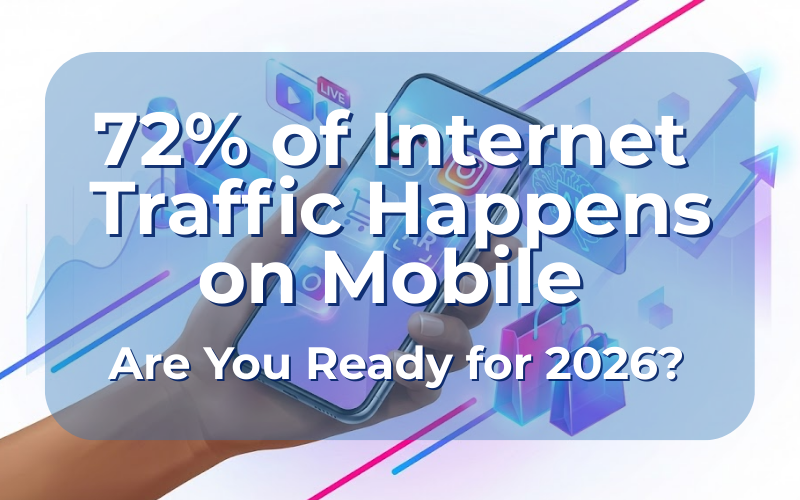
- 72% of global internet traffic originates from mobile devices
- $228 billion projected TikTok advertising market value
- 82% of consumer internet traffic consists of video content
- 187.5 million Americans will complete mobile purchases by 2026
- 🎯 Top 10 Trends Transforming Digital Marketing
| Trend | Key Impact | Action Item |
|---|---|---|
| Content Personalization | 80% of consumers demand tailored experiences | Implement AI-driven recommendation engines |
| Live Streaming | 400% increase in TikTok Shop creative output | Launch weekly live product demonstrations |
| TikTok Marketing | 4x higher click rates vs Instagram | Create vertical video content with trending sounds |
| Gaming Integration | 1.7 billion mobile AR users by 2026 | Explore in-game advertising partnerships |
| Influencer Content | 70% Gen Z trust influencers over traditional ads | Partner with micro-influencers (8x engagement) |
| Video Content | 3x more shares for vertical videos | Produce short-form content under 60 seconds |
| Augmented Reality | 37% higher purchase likelihood with AR | Implement virtual try-on features |
| AI & Machine Learning | 40% improvement in ad efficiency | Deploy chatbots for 24/7 customer service |
| Privacy & Security | 60% abandon brands over poor data policies | Display transparent opt-in mechanisms |
| Mobile Commerce | 72.9% of online sales via mobile | Enable one-click checkout options |
⚡ Immediate Actions
- Audit mobile site speed (40% bounce rate threshold)
- Test responsive design using Google’s Mobile-Friendly Test
- Optimize for voice search and local SEO
- Enable mobile wallet payments (24% of global purchases)
🎓 Expert Insight With three decades of digital marketing experience, the shift to mobile-first strategies isn’t optional—it’s survival. Brands investing in mobile optimization, personalized experiences, and emerging technologies like AR will dominate 2026’s competitive landscape.
Picture this: you’re watching a YouTube tutorial, and your phone buzzes with a TikTok notification. Sound familiar? This is how 2026 works. Our lives revolve around our devices, and businesses are racing to capture our attention.
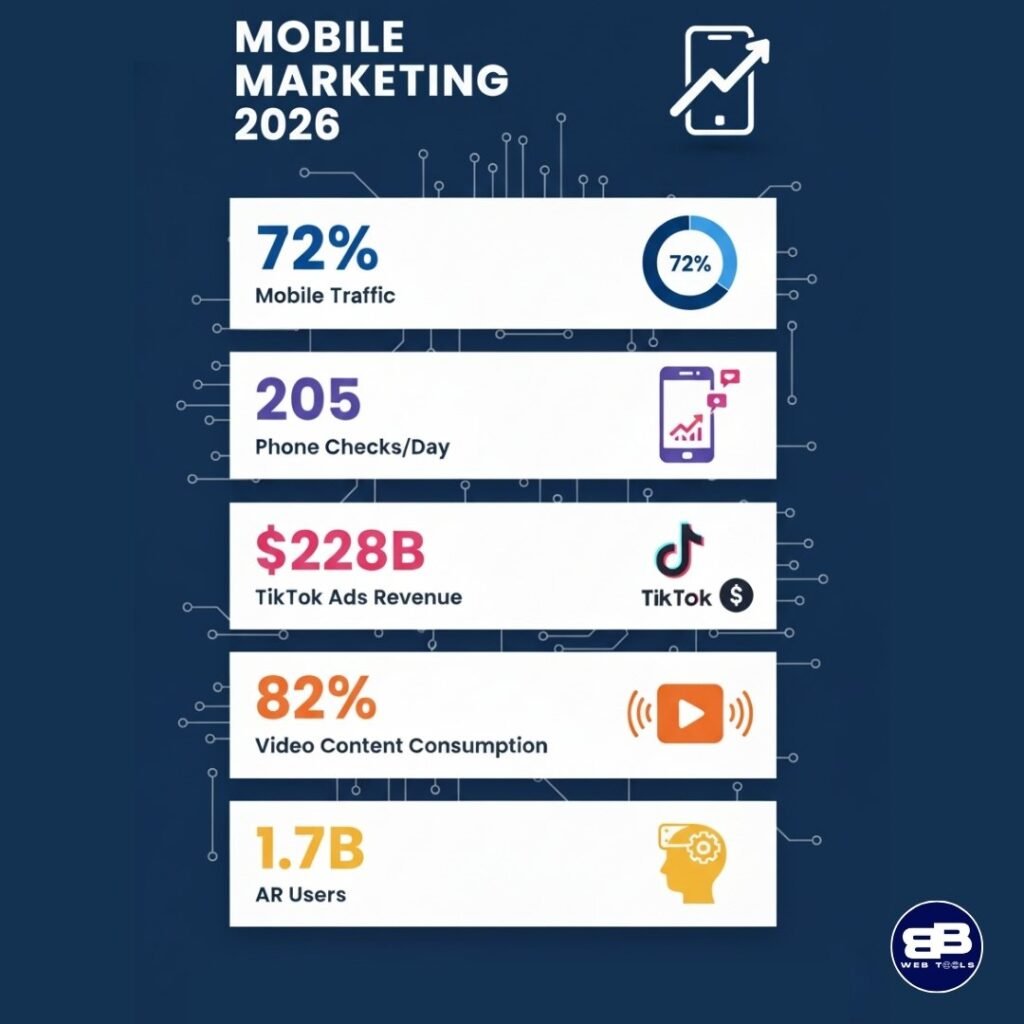
Did you know 72% of global internet traffic comes from mobile devices? Americans check their phones 205 times a day. With an average of 5.4 hours spent on phones daily, it’s clear why mobile marketing trends are shaping the future.
Video content dominates 82% of consumer internet traffic. Platforms like TikTok have become a $228 billion ad playground. Brands that adapt to these strategies will see significant growth.
Here’s the kicker: 61% of consumers judge brands by their mobile sites. If your site isn’t optimized, you’re losing potential customers. Let’s dive into how you can stay ahead in this ever-evolving landscape.
Disclosure: BBWebTools.com is a free online platform that provides valuable content and comparison services. To keep this resource free, we may earn advertising compensation or affiliate marketing commissions from the partners featured in this blog.
🎯 Key Takeaways
- 72% of global internet traffic comes from mobile devices.
- Americans check their phones 205 times a day.
- Video content makes up 82% of consumer internet traffic.
- TikTok has become a $228 billion ad platform.
- 61% of consumers judge brands by their mobile sites.
📘Why Mobile Marketing is the Future
Ever noticed how your phone is always within arm’s reach? It’s not just you. Over 59% of global internet traffic now comes from mobile devices. Gone are the days when we relied on desktops for everything. Today, 72% of searches happen on phones—often while waiting in line or during a quick break.
Even your grandma is in on it. By 2026, 187.5 million Americans will make purchases using their phones. Social media plays a huge role here. Did you know 42% of mobile purchases come from platforms like Instagram? That selfie filter might just be a clever sales pitch.
Here’s a fun fact: 80% of Gen Z uses their phones like oxygen masks. They barely touch desktops. Faster, more reliable connections drive this shift. Thanks to 5G networks, 45% of users now stream HD content without buffering. It’s no wonder mobile devices are at the heart of every marketing strategy.
But it’s not all smooth sailing. Over 530 million users block ads, and 24% of global purchases are made via mobile wallets. This means businesses must focus on creating a seamless user experience to stay relevant.
Statistic | Value |
Global mobile internet traffic | 59% |
Americans making mobile purchases (2025) | 187.5 million |
Mobile purchases from social media | 42% |
Gen Z reliance on phones | 80% |
5G users streaming HD content | 45% |
1. Content Personalization: The Key to Customer Hearts
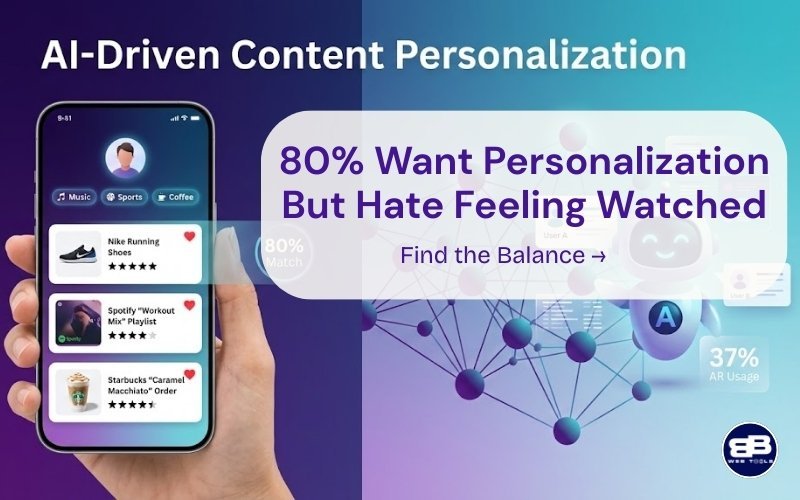
Imagine ordering a pizza that knows your favorite toppings before you even say them. That’s the power of personalization. It’s not just about convenience—it’s about creating experiences that feel tailor-made for you. And in a world where 37% of consumers prefer augmented reality brand experiences, personalization is no longer optional.
Think about Spotify. It knows you want sad songs on rainy Mondays. Or Starbucks, which suggests pumpkin spice before you even think it. These apps use data to understand your preferences and deliver what you need, when you need it. It’s like having a personal assistant who knows you better than you know yourself.
But here’s the catch: 80% of people want personalization, but they hate feeling watched. It’s a delicate balance. Too much, and it feels creepy. Too little, and it feels generic. That’s why brands need to be smart about how they use data. For example, TikTok’s algorithm keeps users engaged for 52 minutes a day because it feels intuitive rather than invasive.
Take Nike’s app. It suggests shoes based on your workout playlist. This kind of personalization creates memorable experiences that keep customers coming back. But remember, 60% of people have stopped using services over poor data policies. Trust is just as important as personalization.
In the end, it’s about creating a connection. When customers feel understood, they’re more likely to stay loyal. And in a world where attention is the most valuable currency, personalization is the key to winning hearts.
2. Live Streaming: Real-Time Engagement
Live streaming is like a modern-day QVC for the Fortnite generation. It’s Twitch meets home shopping, where brands connect with their audience in real time. This approach boosts engagement and creates a sense of community that traditional ads can’t match.
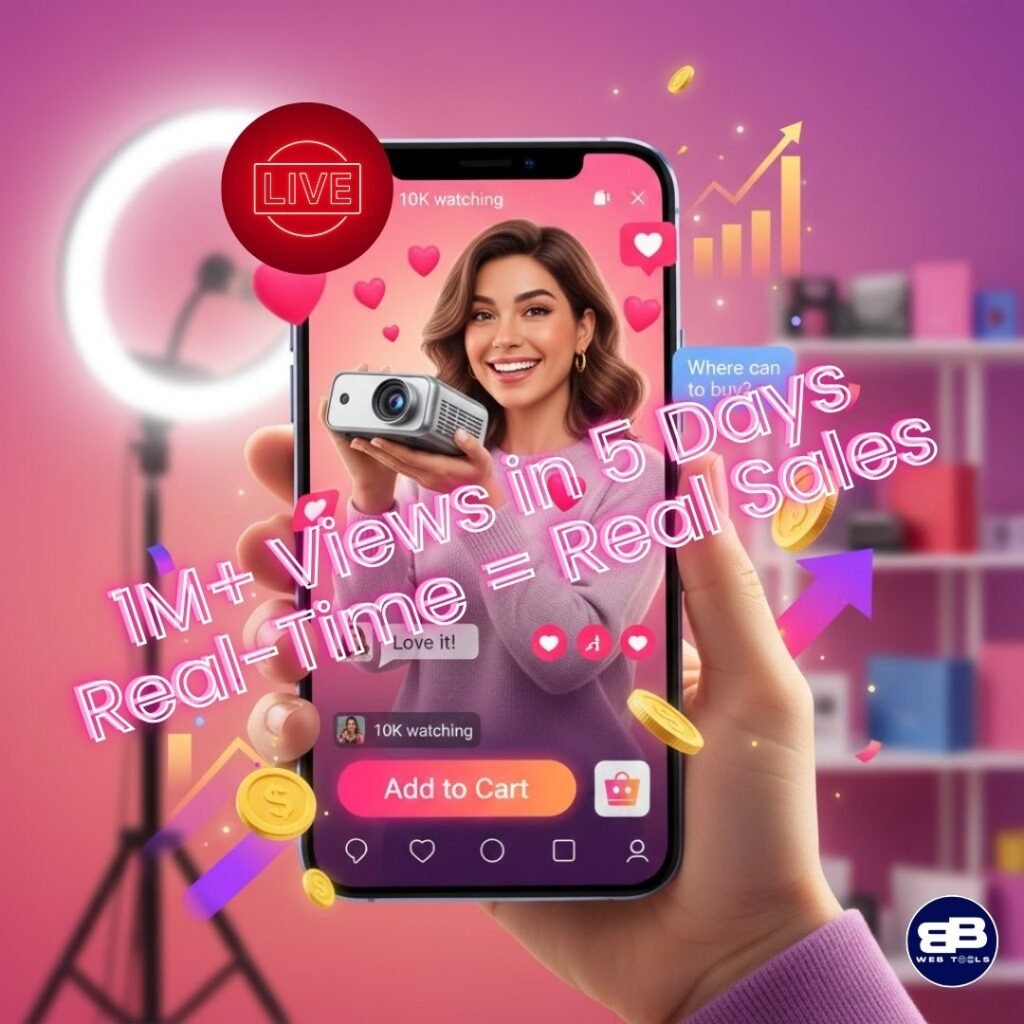
Take TikTok, for example. The platform has seen a 400% increase in creative output for its Shop feature. In just five days, some live streams have garnered over 1 million views. This shows the power of live content in driving successful campaigns.
Makeup brands are leading the way with live “glam sessions.” They showcase products while providing instant checkout links. This seamless experience keeps viewers hooked and encourages immediate purchases. It’s no wonder 63% of consumers prefer mobile brand research.
Here’s a pro tip: Hook your audience in the first seven seconds. This is the golden rule for live streaming. If you don’t grab their attention faster than a TikTok dance challenge, they’ll scroll away.
One cooking brand mastered this by hosting live chef demonstrations. They sold 10,000 knives in a single session. This proves that live streaming isn’t just about entertainment—it’s a powerful sales tool.
Statistic | Value |
TikTok Shop creative output increases | 400% |
Views in 5 days | 1M+ |
Consumers prefer mobile brand research | 63% |
Knives sold in one live session | 10,000 |
3. TikTok Marketing: The New Frontier
Have you ever scrolled through TikTok and found yourself buying something you didn’t even know you needed? That’s the magic of this social media platform. With over 100 million downloads in March 2022 alone, TikTok has become a game-changer for brands looking to connect with users in creative ways.
Take, for example, the viral “get ready with me” videos. A $20 Amazon dress sold out in hours thanks to a single TikTok post. This shows how powerful the platform is for driving sales. TikTok Shop’s vertical videos get 4x as many clicks as Instagram’s, making it a must-have app for businesses.
The secret sauce? TikTok’s algorithm. It learns your cravings better than your mom. Whether it’s a trending sound or a niche interest, the platform knows how to keep users engaged for an average of 52 minutes daily. This makes it a goldmine for advertising.
Here’s a case study: A local bakery gained 50,000 followers by posting cake decorating shorts. Their videos were simple, creative, and aligned with trends. The result? A massive boost in brand awareness and sales.
Pro tip: Use trending sounds like business cards. It’s how Gen Z discovers brands. Whether it’s a dance challenge or a catchy tune, staying on top of social media trends can make all the difference.
4. Gaming Industry: A Goldmine for Marketers
The gaming world is evolving faster than you can say ‘level up.’ What started as a pastime has turned into a multi-billion-dollar industry. By 2026, there will be 1.7 billion mobile AR users. This growth opens up endless opportunities for brands to connect with consumers in creative ways.
Take Candy Crush, for example. It’s not just a game—it’s a $1.2 billion advertising playground. Brands can integrate ads seamlessly into gameplay, creating a non-intrusive experience for users. This approach keeps players engaged while driving results for businesses.
Innovative campaigns are taking gaming to the next level. Porsche placed virtual cars in Roblox, and guess what? Teens started buying real ones. This shows how virtual and real-world purchases can intersect in unexpected ways.
- Play-to-earn: Games now reward attention with crypto, creating a new revenue stream for players and brands.
- In-game skins: Fortnite partnered with Balenciaga to offer virtual outfits that match real products.
- Pro tip: 42% of mobile gamers click ads during loading screens—use this moment wisely.
Among Us is another excellent example. Its simple yet addictive gameplay has made it a hub for social interaction. Brands can leverage this by creating themed content or sponsoring in-game events.
In short, the gaming industry is no longer just about entertainment. It’s a powerful platform for brands to engage with audiences and drive meaningful results.
5. Influencer Content: Trust Sells
Ever wondered why you trust a stranger’s opinion more than a brand’s ad? It’s because influencers feel real. They’re relatable, authentic, and speak directly to their audience. This is why 70% of Gen Z prefers influencer content over traditional ads.
Take MrBeast’s burger, for example. He sold 1 million units before anyone even tasted it. How? His massive following trusted his recommendation. Unboxing videos are another great example. When influencers showcase products, it feels like a friend sharing their latest find.
Micro-influencers are also making waves. These nano-creators often have smaller but highly engaged followings. Studies show they get 8x more engagement than larger influencers. Why? Their audience feels a deeper connection to them.
Brands are also leveraging the “duet” strategy. This involves riffing on user-generated content. It’s a smart way to build trust and authenticity. For example, Gymshark’s athlete ambassadors drive 60% of their sales. Their customers trust these influencers because they’re genuine.
But here’s a warning: 43% of users spot fake influencer reviews instantly. Authenticity is key. If your brands try to fake it, your audience will notice. In the world of social media, trust is everything.
6. Video Content: The King of Engagement
Video content has taken over the digital world, and here’s why. With 82% of internet traffic coming from video, it’s clear that users prefer this format over others. Platforms like TikTok and Instagram Reels have redefined how we consume content, making it quick, engaging, and shareable.
Vertical videos are leading the charge. Why? Because they match how we naturally hold our phones. Studies show they get 3x more shares than horizontal ones. This format feels intuitive, especially for platforms like TikTok, where users scroll endlessly.
Editing also plays a huge role. Jump cuts that mimic casual conversations work better than polished ads. Dollar Shave Club’s viral video is a perfect example. It felt like a friend talking, not a corporate pitch. This approach keeps viewers hooked.
Tips for Creating Engaging Videos
- Go vertical: It’s how users naturally interact with their phones.
- Keep it short: Attention spans are shrinking. Hook them in the first 7 seconds.
- Add captions: 85% of people watch videos on mute, especially during downtime.
- Be authentic: Blendjet’s smoothie videos drove a 200% sales boost by focusing on real-life use.
In short, video content isn’t just a trend—it’s a necessity. By adopting these strategies, you can create content that resonates with your audience and drives results.
7. Augmented Reality: The Future of Shopping
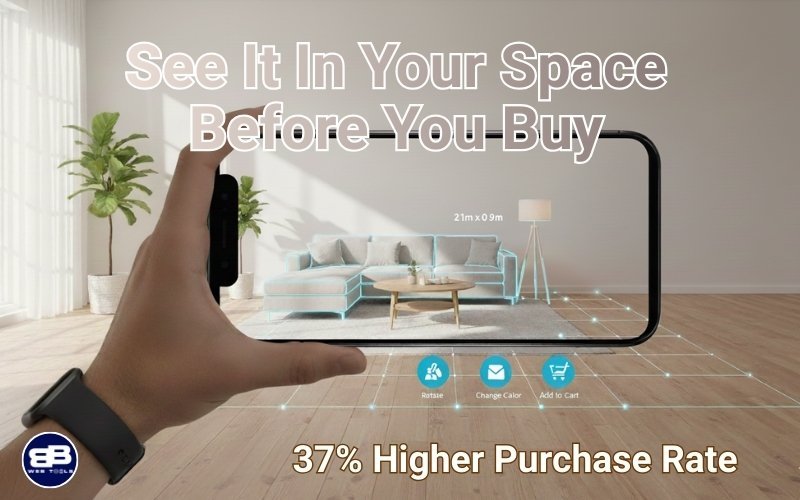
What if you could see how furniture fits in your home before buying it? That’s the power of augmented reality (AR). It’s transforming the way consumers shop, making it more interactive and personal. By 2026, there will be 1.7 billion AR users, and brands are already leveraging this technology to enhance the shopping experience.
Take the IKEA Place app, for example. It lets you visualize how a couch or table will look in your living room. This feature has made it easier for consumers to make confident purchases. Studies show that people are 37% more likely to buy when they use AR tools like this.
Other brands are also jumping on the AR bandwagon. Warby Parker’s virtual try-on feature reduced returns by letting users see how glasses look on their faces. Snapchat filters let you “wear” Nike shoes before purchasing. These innovations are redefining the shopping experience.
Even cities are becoming shopping playgrounds. Remember Pokémon GO? It turned streets into virtual malls, showing how AR can blend the real and digital worlds. Sephora’s AR makeup trials boosted conversions by 11%, proving that this technology drives results.
Looking ahead, AR billboards will interact with your phone as you walk by. This seamless integration will make shopping more immersive than ever. The future of retail is here, and AR power it.
Statistic | Value |
Likelihood to buy via AR | 37% |
Mobile AR users by 2026 | 1.7 billion |
Sephora’s AR conversion boost | 11% |
In short, augmented reality is no longer a futuristic concept—it’s a shopping essential. By adopting these trends, brands can create unforgettable experiences that keep consumers coming back.
8. AI and Machine Learning: Smarter Marketing
Think about the last time you interacted with a chatbot—did it feel like talking to a helpful friend or a robot? AI and machine learning are transforming how brands connect with their customers. From personalized recommendations to predictive analytics, these technologies are making marketing smarter and more efficient.
Chatbots: Your 24/7 Customer Service
Chatbots are like the helpful NPCs in video games—always there when you need them. Domino’s chatbot, for example, remembers your last order like a favorite waiter. This level of personalization builds trust and keeps customers coming back.
AI-generated memes are another game-changer. Studies show they perform better than human-made ones because they tap into trending data instantly. It’s like having a creative team that never sleeps.
Here’s a creepy-cool example: Target’s AI can predict if you’re pregnant before your family knows. By analyzing purchase data, it sends tailored offers that feel almost magical. This shows how AI can anticipate needs before they’re even expressed.
Spotify’s DJ AI is another standout. It curates playlists based on your mood and even suggests merch offers. This seamless integration of strategies keeps users engaged and drives results for marketers.
Pro tip: Train AI on your brand voice to avoid robotic responses. When AI sounds like you, it feels authentic and builds stronger connections.
Statistic | Value |
Marketing budgets for mobile ads | 19% |
AI-driven ad efficiency | 40% |
Subscribe to our news letters

- Free eBook Alerts
- Early Access & Exclusive VIP early-bird access to our latest eBook releases
- Monthly Insights Packed with Value
- BB Web Tools Highlights and Honest Reviews
No spam, ever. Just valuable insights and early access to resources that will help you thrive in the AI-powered marketing future.
9. Privacy and Data Security: Building Trust
Picture a library where every book tracks your reading habits. That’s how data works online. Websites collect information to personalize your experience, but it can feel invasive. In fact, 60% of users ditch brands over poor data policies.
Take the cookie dilemma. Why do websites ask about your dog’s name? It’s because they’re trying to create a profile of you. But with Apple’s privacy features, businesses have had to get creative. Apps now ask for permission before tracking, giving consumers more control.
Transparency wins. Patagonia’s ethical data use builds loyalty because they’re clear about how they handle information. Similarly, DuckDuckGo has grown despite Google’s dominance by prioritizing user privacy. It’s proof that trust matters.
Here’s a simple fix: Clear opt-in options increase trust by 73%. When users feel in control of their devices, they’re more likely to engage. In a world where 80% want personalized ads, balancing privacy and personalization is key.
10. Mobile Commerce: Shopping on the Go
Think about the last time you bought something on your phone—was it planned or spontaneous? Mobile commerce has turned our devices into personal shopping assistants. With 72.9% of online sales happening via mobile, it’s clear that this trend is here to stay.
It’s like standing at a supermarket checkout. Those candy bars and magazines? They’re designed for impulse buys. Mobile commerce works the same way. A “Buy Now” button beats a shopping cart because it taps into that same impulsive behavior. It’s quick, easy, and irresistible.
Take Starbucks’ mobile app. It’s not just for ordering coffee—it’s a $2 billion payment system. By saving payment info, they’ve made every purchase seamless. This kind of experience keeps customers coming back.
QR codes are also making a comeback. From restaurant menus to instant checkouts, they’re simplifying the shopping process. For consumers, it’s all about convenience. For brands, it’s a way to drive sales.
Amazon’s 1-Click patent expiring is another game-changer. It means more companies can offer instant checkout options. This will likely increase purchases across the board. Pro tip: Saved payment info boosts conversions by 189%. Make it easy for your customers to buy.
11. Social Media: The New Marketplace
Social media isn’t just for sharing memes anymore—it’s a shopping hub. Platforms like Instagram and TikTok have transformed into powerful marketplaces. With 98.5% of Facebook access happening via mobile and 66% of emails opened on phones, it’s clear that social media is where the audience is.
Take Instagram Shop, for example. It’s not just a photo-sharing app—it’s a full-fledged e-commerce platform. Brands can tag products directly in posts, making it easy for users to shop without leaving the app. This seamless experience drives sales and keeps users engaged.
Pinterest is another standout. It’s not just about recipes and DIY projects—it’s a visual search engine. Users can find and buy products by simply pinning them. This makes it a valuable tool for marketing and discovery.
LinkedIn influencers are also leveraging carousel posts to sell courses and services. These posts break down complex ideas into digestible slides, making them highly effective for B2B marketing.
The rise of “TikTok made me buy it” haul videos shows how social media drives impulse purchases. Users trust these authentic reviews, making them a goldmine for brands.
Gymshark’s $1.3 billion valuation is a testament to the power of Instagram. By building a community around fitness, they’ve turned followers into loyal customers.
But here’s a warning: Algorithm changes can tank sales overnight. Staying adaptable is key to success in this ever-changing landscape.
Conclusion: Staying Ahead in 2026
Let’s face it, the way we interact with brands has changed forever. Your phone is now the mall, TV, and salesperson combined. By 2027, mobile ad spend will reach $228 billion, and 47% of users prefer device-optimized emails. To stay ahead, you need to adapt faster than Apple releases new iPhones.
Start by auditing your site speed tomorrow. A slow site can cause a 40% bounce rate. Use Google’s Mobile-Friendly Test; it takes just 30 seconds and can highlight areas for improvement.
Try one trend this week. Whether it’s live streaming or personalized content, take action. Screen record your attempt and analyze the results. Small steps lead to big growth.
The future of strategies is here. Don’t wait—start today and watch your growth soar.
❓ Frequently Asked Questions: Mobile Marketing Trends
Why is mobile marketing considered the future?
Mobile marketing is the future because more people than ever are using smartphones. It allows brands to reach consumers directly, anytime and anywhere, making it a powerful tool for engagement and sales.
How does data drive content personalization?
Data helps me understand user preferences and behaviors. By analyzing this information, I can create tailored content that resonates with my audience, boosting engagement and loyalty.
Why is live streaming gaining popularity in marketing?
Live streaming offers real-time interaction, which builds trust and authenticity. It’s a great way to connect with my audience, answer their questions, and showcase products in action.
What makes TikTok a new frontier for marketers?
TikTok’s short, creative videos and massive user base make it a perfect platform to reach younger audiences. Its algorithm also helps content go viral quickly, giving brands incredible exposure.
How can the gaming industry benefit marketers?
The gaming industry is a goldmine because it attracts a highly engaged audience. By integrating ads or branded content into games, I can connect with users in a fun and immersive way.
Why is influencer content so effective?
Influencers have built trust with their followers. When they recommend a product, it feels authentic, which drives higher engagement and conversions for my brand.
What tips can you share for creating engaging videos?
Keep videos short, visually appealing, and focused on storytelling. Adding captions and a clear call-to-action also helps grab attention and drive results.
How is augmented reality shaping the future of shopping?
Augmented reality lets users visualize products in their own space before buying. This enhances the shopping experience and reduces hesitation, leading to more confident purchases.
How do chatbots improve customer service?
Chatbots provide instant, 24/7 support, answering questions and resolving issues quickly. This improves customer satisfaction and frees up my time to focus on other tasks.
Why is privacy and data security important in marketing?
Protecting user data builds trust. When consumers feel their information is safe, they’re more likely to engage with my brand and make purchases.
How does mobile commerce simplify shopping?
Mobile commerce allows users to shop directly from their devices, making the process fast and convenient. Optimized landing pages and secure payment options enhance the experience.
Why is social media considered the new marketplace?
Social media platforms like Instagram and Facebook now offer shopping features, allowing users to discover and buy products without leaving the app. It’s a seamless way to drive sales.